Dissecting Volume-Based Reward Distributions in Britain's Digital Entertainment Platforms
Written by Yara Friedrich · Oct 16, 2026

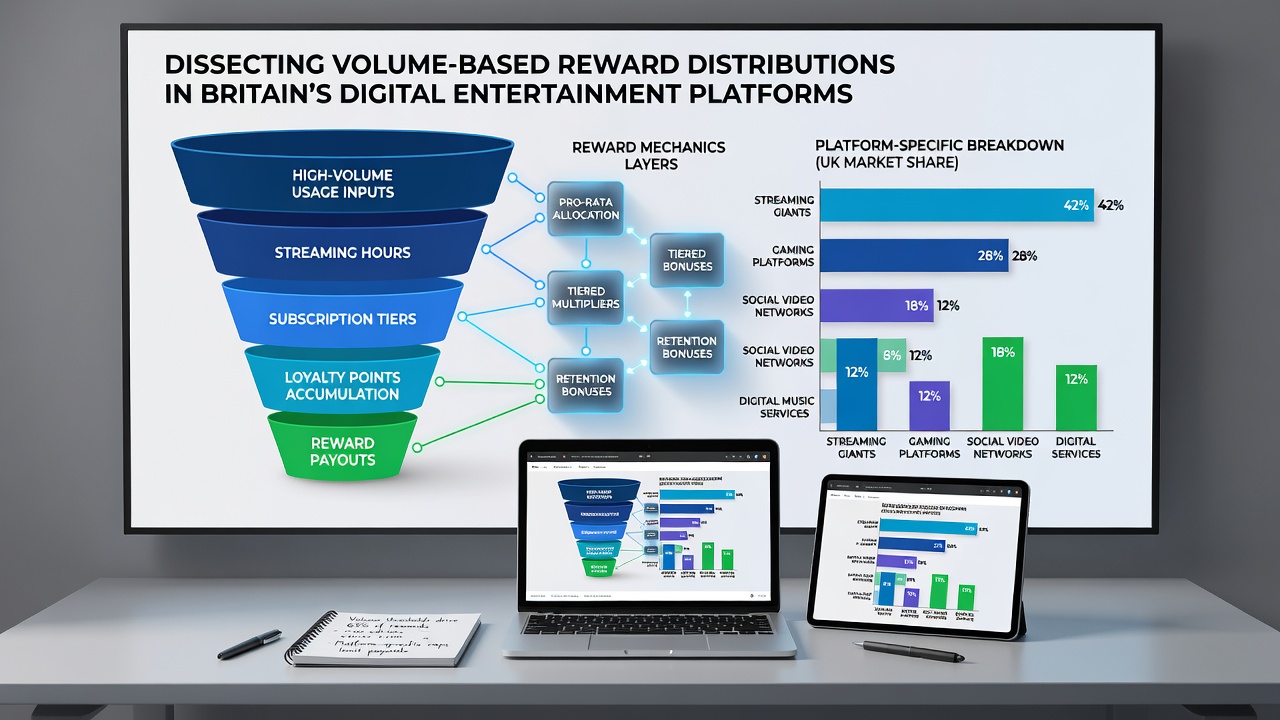
Dissecting Volume-Based Reward Distributions in Britain's Digital Entertainment Platforms
Volume-based reward distributions operate through algorithmic calculations that tie bonus allocations directly to player wagering totals across Britain's online entertainment platforms, and these systems track cumulative spend rather than isolated deposit events. Operators apply formulas where total wagered amounts determine eligibility thresholds, with higher volumes unlocking scaled percentages of cashback or bonus credits that reset on monthly cycles. Data from platform analytics indicates that such models emerged prominently after 2020 as competition intensified among licensed providers, while the mechanics rely on real-time monitoring of bet sizes, game types, and session durations to generate accurate reward pools.
Mechanics Behind Volume Calculations
Platforms calculate rewards by multiplying a player's total staked amount by a predetermined return rate that varies according to loyalty tier or promotional period, and this process incorporates exclusions for certain game categories like progressive jackpots where contributions count at reduced percentages. Software providers integrate these trackers into backend systems that aggregate data across multiple titles, ensuring rewards reflect genuine activity volume instead of artificial inflation through low-risk bets. Observers note that adjustments occur quarterly based on operator performance reviews, and thresholds often start at £500 in cumulative wagers before any distribution activates.
Regional Patterns in Reward Allocation
Analyses of transaction records reveal that London and Southeast England users generate the highest average volumes per active account, leading to proportionally larger reward outputs compared with northern regions where participation rates differ. Platforms adjust distribution schedules to align with peak activity months, and October 2026 saw increased allocations tied to seasonal campaigns that boosted overall volume metrics by measurable margins. Industry reports highlight how these geographic variations stem from demographic factors including disposable income levels and device access patterns rather than any targeted policy differences.
External verification tools allow players to review their personal volume histories through secure dashboards, which helps maintain transparency in how rewards accrue over successive periods. Research from the European Gaming and Betting Association shows that volume-linked systems reduce instances of bonus abuse when properly implemented, because they require sustained engagement instead of one-time deposits. Multiple operators have adopted similar frameworks, creating consistency across the market that benefits frequent participants who meet ongoing thresholds.
Integration With Broader Incentive Structures
Volume rewards frequently combine with deposit match offers and free spin bundles, yet the volume component serves as the primary driver for long-term retention because it scales automatically with continued play. Case examples from major providers demonstrate that players reaching mid-tier volumes receive enhanced multipliers on subsequent rewards, and these escalations follow predefined tables published in terms documents. Data tracking shows seasonal spikes align with major sporting events or holiday periods, during which platforms increase baseline rates to capture elevated activity levels.
Academic studies conducted by institutions such as the University of Nevada's gaming research center have examined how volume metrics influence player behavior across comparable markets, revealing correlations between consistent wagering and reward redemption rates. Platforms in Britain incorporate these insights when refining their distribution models, particularly around minimum playthrough requirements that convert rewards into withdrawable funds. And while verification processes add steps, they ensure that only legitimate volume counts toward final calculations.
Data Trends Observed Through 2026
Figures compiled through 2026 indicate steady growth in average volume per user, with digital platforms reporting higher participation in high-stake table games contributing to accelerated reward triggers. Operators publish aggregate statistics that demonstrate the proportion of total rewards distributed through volume channels versus fixed bonuses, and these disclosures help illustrate market dynamics without revealing individual account details. Those who monitor industry updates note that October 2026 brought refinements to volume thresholds in response to updated software capabilities that improved tracking precision.
Cross-platform comparisons show that British operators often set more conservative volume requirements than counterparts in other jurisdictions, reflecting differences in market maturity and regulatory emphasis on responsible metrics. Trade publications document how these structures encourage diversified game selection, since volume accumulates across categories at varying contribution rates. teh result appears in aggregated user data where balanced portfolios lead to steadier reward flows compared with single-title focus.
Conclusion
Volume-based reward distributions continue to shape engagement patterns on Britain's digital entertainment platforms through transparent, activity-driven mechanisms that link outcomes directly to player input levels. Evidence from multiple sources confirms their role in sustaining platform ecosystems while providing measurable returns to qualifying participants. Ongoing refinements, including those observed around October 2026, reflect adaptations to technological and market shifts that maintain system integrity across regions.