Decoding How Eligibility Rules Shape Amount-Based Spin Allocations in Regional UK Gaming Platforms
Written by Riley Günther · Aug 21, 2026
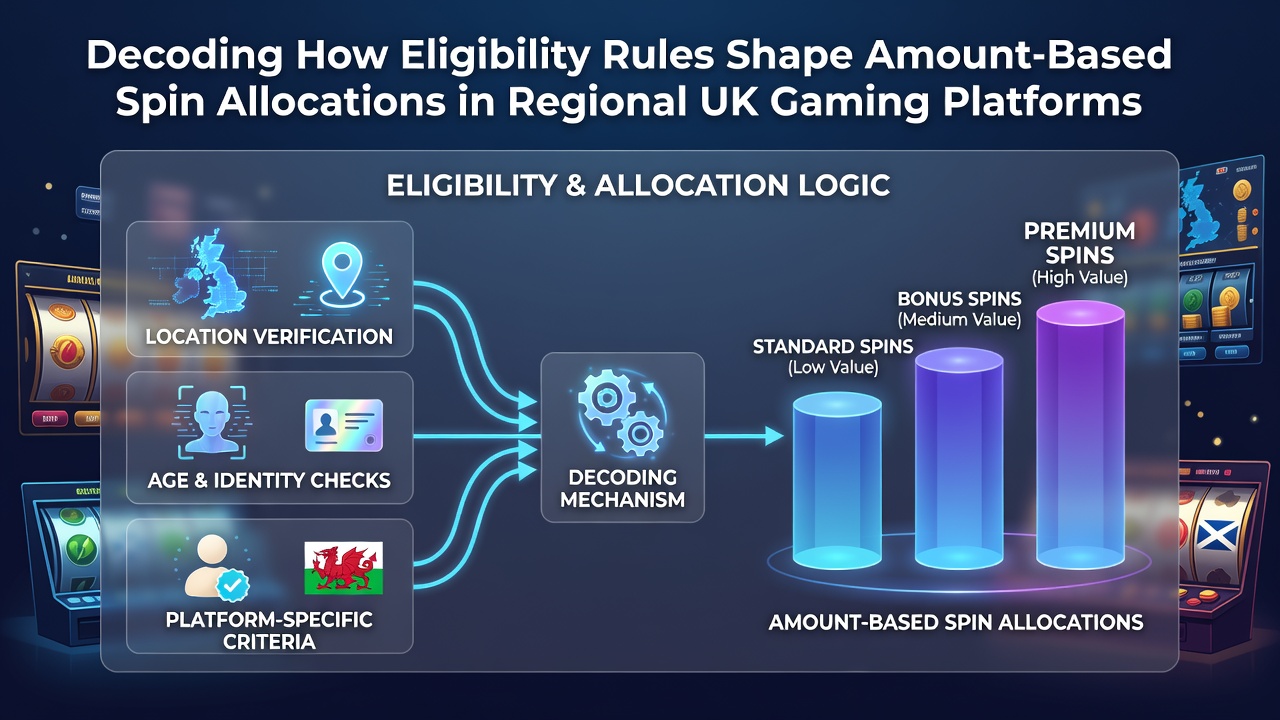
Decoding How Eligibility Rules Shape Amount-Based Spin Allocations in Regional UK Gaming Platforms
Eligibility rules in regional UK gaming platforms determine how operators calculate and distribute spin allocations tied to deposit amounts, and these frameworks have grown more layered since updates rolled out across different jurisdictions. Operators must verify player status through age checks, address confirmation, and payment method validation before releasing any spins scaled to deposit size, which means a £20 deposit might unlock ten spins in one region yet only five in another depending on the local eligibility matrix.
Core Mechanisms Behind Amount-Based Spin Allocations
Amount-based spin allocations operate on formulas that tie the number of spins directly to deposit thresholds, yet eligibility filters decide whether those formulas activate at all. A player depositing £50 may qualify for twenty spins if they meet residency rules and complete identity verification within twenty-four hours, whereas failure to confirm postcode details blocks the allocation even when the deposit clears. Data from industry reports shows that platforms in Scotland apply stricter location-based eligibility than those in England, resulting in different spin yields for identical deposit sums across the same operator group.
Payment method eligibility adds another layer because certain cards or e-wallets trigger faster verification while others require additional documentation. When a deposit arrives via an approved channel that satisfies regional rules, the platform releases spins according to a tiered scale that increases with deposit size, but any mismatch in eligibility documentation pauses the entire process until resolved.
Regional Differences Across UK Gaming Jurisdictions
Regional variations appear most clearly when comparing eligibility requirements in Wales against those in Northern Ireland, where deposit amount thresholds for spin releases differ by several pounds. In Wales operators often demand proof of local bank accounts for deposits above £30 before unlocking scaled spins, while Northern Ireland platforms accept a wider range of payment sources provided the player completes address verification first. These differences mean a player moving between regions experiences inconsistent spin allocations even when using the same gaming account and deposit amount.
August 2026 brought new data collection standards that required platforms to log eligibility outcomes separately for each region, and early figures indicate that spin release rates adjusted by an average of fifteen percent in response to the updated verification protocols. Observers note that these logs help regulators track how eligibility rules influence allocation volumes without altering the underlying deposit-to-spin ratios.
Verification Processes and Their Direct Influence on Allocations
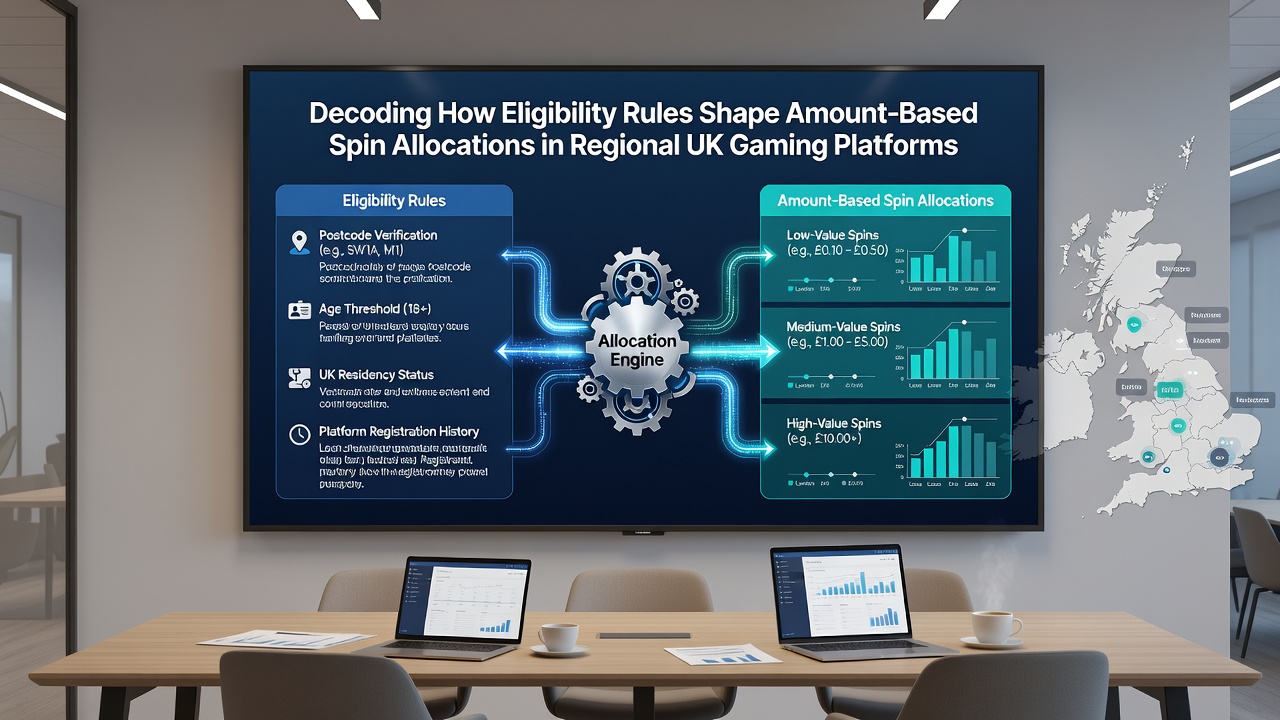
Verification processes sit at the center of every eligibility check, and platforms integrate automated systems that cross-reference player details against regional databases before calculating spin entitlements. When a deposit meets the amount threshold yet eligibility data remains incomplete, the system withholds spins until the player supplies missing documents such as utility bills or government-issued ID. Research conducted by the Canadian Centre on Substance Use and Addiction highlights parallel verification models in other markets, showing that streamlined eligibility checks correlate with higher allocation completion rates for amount-based bonuses.
Regional platforms also apply time-bound eligibility windows, meaning a player who deposits during peak hours may complete verification faster than one attempting the same process overnight. These windows directly affect whether spins based on the deposit amount become available immediately or after a delay that can span several hours.
Case Examples from Platform Operations
One operator managing platforms across multiple UK regions reported that eligibility mismatches reduced allocated spins by nearly twenty percent in areas with stricter address confirmation rules during the first quarter of 2026. The same operator adjusted its deposit-to-spin scales in response, raising the minimum deposit needed for maximum spin releases in those regions while keeping the scale unchanged elsewhere. Another platform introduced a two-step eligibility process that first checks basic details then confirms payment source, and this change produced more consistent spin allocations for deposits between £10 and £100.
Academic analysis from the University of Sydney's Gambling Research Unit examined similar eligibility structures in comparable markets and found that clear regional rules helped reduce disputes over spin allocations tied to deposit amounts. The study noted that platforms using automated regional filters processed eligibility faster and released spins more reliably once verification cleared.
Future Adjustments and Data Trends
Trends emerging in 2026 point toward tighter integration between eligibility databases and allocation engines, allowing platforms to adjust spin numbers in real time based on verified player location. Operators have begun testing dynamic scales that respond to eligibility confidence scores, so a fully verified player receives the full spin allocation calculated from their deposit while partial verification caps the amount at a lower tier. These systems rely on continuous data feeds from regional authorities to maintain accuracy across different parts of the UK.
Industry associations such as the European Gaming adn Betting Association have published guidelines encouraging platforms to publish their eligibility criteria alongside allocation tables, and several regional UK operators adopted these recommendations during the summer of 2026. The resulting transparency allows players to understand how their verified status interacts with deposit amounts before placing funds.
Conclusion
Eligibility rules continue to determine the practical outcomes of amount-based spin allocations on regional UK gaming platforms through verification requirements, regional thresholds, and payment method filters. Data collected through 2026 demonstrates measurable differences in spin releases across jurisdictions even when deposit amounts remain constant. Platforms that align their eligibility processes with regional standards achieve more predictable allocation volumes, while those that lag behind encounter higher rates of withheld spins. The mechanisms linking eligibility checks to deposit-based calculations remain central to how operators distribute spins across the UK gaming landscape.