Charting the Interplay of Tiered Incentive Mechanisms Across UK Virtual Entertainment Networks
Written by Riley Günther · Oct 2, 2026
Charting the Interplay of Tiered Incentive Mechanisms Across UK Virtual Entertainment Networks
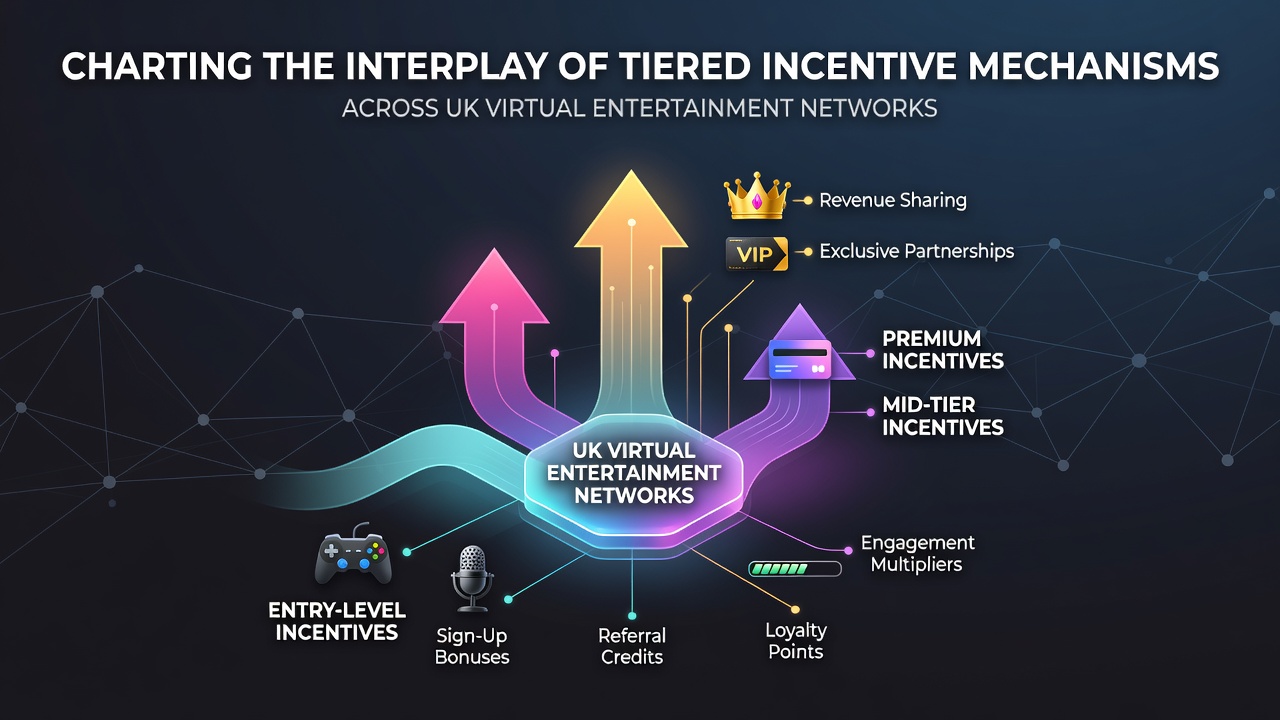
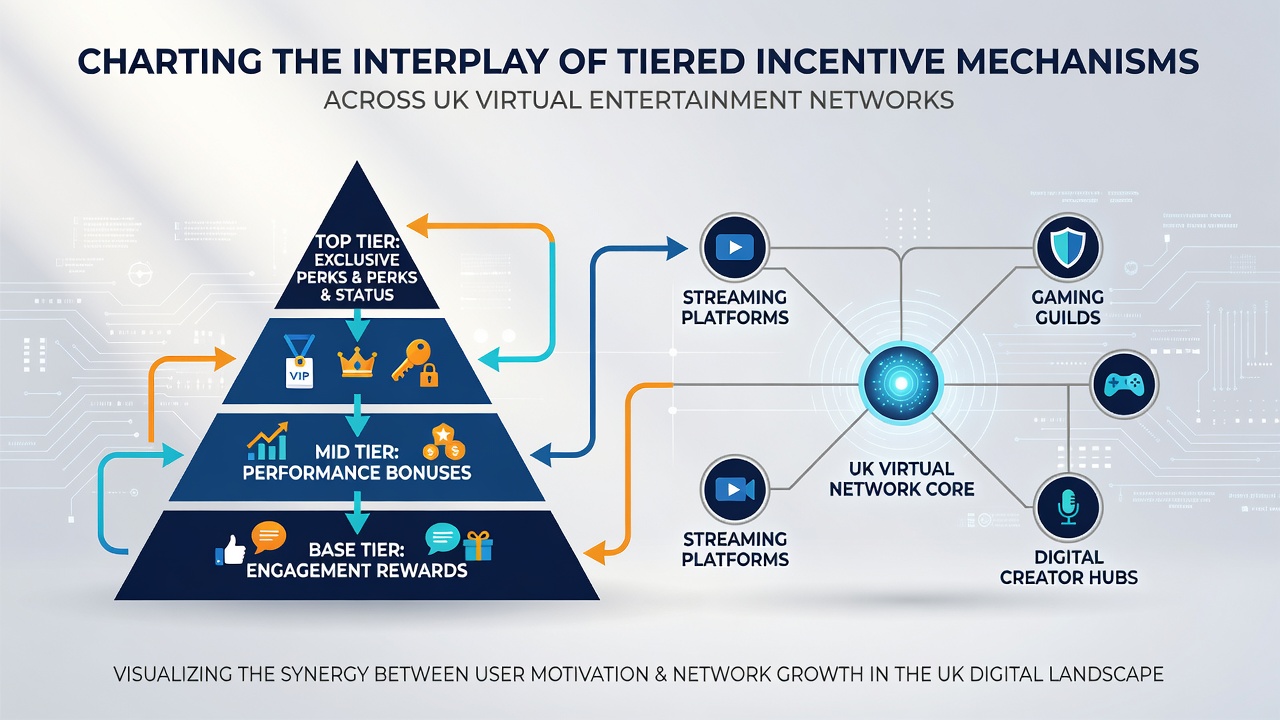
UK virtual entertainment networks have developed tiered incentive mechanisms that allocate rewards based on participant activity levels, deposit volumes, and engagement frequency, creating layered systems where higher tiers grant access to enhanced bonuses, exclusive events, and accelerated point accumulation. These structures operate through algorithms that track metrics such as total wagers placed over defined periods, login consistency, and referral contributions, then map those figures onto ascending categories that typically range from entry-level to premium designations.
Core Components of Tier Progression
Entry into successive tiers requires meeting cumulative thresholds that reset on monthly or quarterly cycles, and operators adjust these benchmarks according to platform-wide participation data collected across thousands of user accounts. Points earned through regular play convert into tier status, which in turn multiplies future rewards by fixed percentages that increase at each stage, while also unlocking features like priority customer support channels and customized game recommendations. Observers note that the interplay emerges when users participate across multiple networks simultaneously, because points accumulated on one platform sometimes qualify for reciprocal benefits on affiliated sites through shared loyalty databases or partnership agreements.
Research from the Canadian Centre for Gaming Research shows that cross-network tier syncing has expanded in recent years, allowing participants to maintain momentum even when shifting between operators that share backend analytics providers. This synchronization reduces the friction of starting over at lower tiers on secondary platforms and encourages sustained activity across broader segments of the digital entertainment sector.
Regional Implementation Patterns
British platforms apply tiered systems with variations that reflect differences in user demographics and regulatory environments, so metropolitan networks emphasize rapid tier advancement through high-frequency micro-transactions, whereas regional operators focus on longer retention windows tied to seasonal events. Data indicates that tier benefits often include tier-specific multipliers on loyalty points, ranging from 1.2 times at mid-levels to 2.5 times at top designations, alongside access to closed tournaments whose prize pools scale with overall network activity.
Inter-Platform Data Exchange
Many networks participate in anonymized data pools that track tier movement trends without revealing individual identities, enabling operators to calibrate reward values against competitor offerings. This exchange produces observable patterns where a surge in tier upgrades on one platform correlates with similar movements elsewhere within weeks, as users migrate to capitalize on promotional windows. The European Association for the Study of Gambling has documented comparable dynamics in adjacent markets, where shared metrics help stabilize incentive costs across the industry.
Developments Anticipated for October 2026
Industry reports project that October 2026 will mark the rollout of standardized API protocols allowing real-time tier status verification across participating networks, reducing the lag time between activity on one site and reward eligibility on another. These protocols build on existing point-sharing frameworks and incorporate additional variables such as time spent in specific game categories, which some operators already use to differentiate tier advancement speeds. Participants who maintain activity streaks across linked platforms stand to benefit from consolidated progress tracking that avoids duplicate qualification requirements.
Analysts tracking these systems highlight that the October timeline aligns with broader platform updates scheduled for the autumn period, when engagement typically rises ahead of holiday seasons. The changes are expected to standardize how networks handle tier demotions, shifting from abrupt resets to graduated adjustments based on rolling averages rather than fixed cutoffs.
Measurement of Incentive Effectiveness
Operators evaluate tiered mechanisms through retention metrics that compare activity rates before and after tier upgrades, with studies revealing that users reaching mid-tier status demonstrate 35 to 50 percent higher session frequencies than those remaining at entry levels. These measurements rely on aggregated logs that exclude personal details, focusing instead on cohort behavior across thousands of accounts. The interplay becomes evident when one network's tier promotion coincides with temporary dips in activity on competing platforms, prompting reciprocal adjustments in reward structures within subsequent reporting periods.
Conclusion
Tiered incentive mechanisms across UK virtual entertainment networks function through interconnected tracking systems that reward sustained participation while enabling operators to manage costs via calibrated thresholds and shared analytics. The mechanisms continue to evolve with technological integrations scheduled for late 2026, which will further streamline cross-platform progression and standardize data exchange practices. Evidence from multiple research bodies confirms that these layered approaches shape user movement patterns and reward distribution in measurable ways, producing a dynamic landscape where network interoperability plays an increasing role in overall system performance.